
When exporting petroleum, petrochemical, mineral, and other industrial products, packaging is more than simply choosing a container.
The right packaging can affect product protection, handling, loading, transportation, storage, and final delivery.
For international buyers, packaging requirements should therefore be considered together with the product specification, shipment quantity, transportation method, destination, and delivery conditions.
At TAV PETROIL, packaging and handling requirements are coordinated as part of the wider supply and logistics process, helping connect product preparation with transportation and delivery.
Why Packaging Matters in International Trade
Industrial products may travel through multiple stages before reaching the final customer.
A typical shipment can involve:
Supplier → Packaging → Loading → Transportation → Border/Cargo Handling → Destination → Final Delivery
At every stage, the packaging needs to remain suitable for the product and shipment conditions.
Poorly selected packaging can create unnecessary handling difficulties, increase the risk of product loss or contamination, or complicate loading and unloading.
For this reason, packaging should be discussed at the beginning of the supply process rather than treated as an afterthought.
Common Industrial Packaging Options
The appropriate packaging depends on the product and shipment requirements. Common options include:
1. Standard Bags
Standard bags can be used for many powder, granule, and other dry industrial products.
They can be suitable for products such as:
Calcium carbonate
Minerals
Fertilizers
Polymer granules
Other dry industrial materials
Bag size, material, inner lining, closure, and palletization can be coordinated according to the product and buyer's requirements.
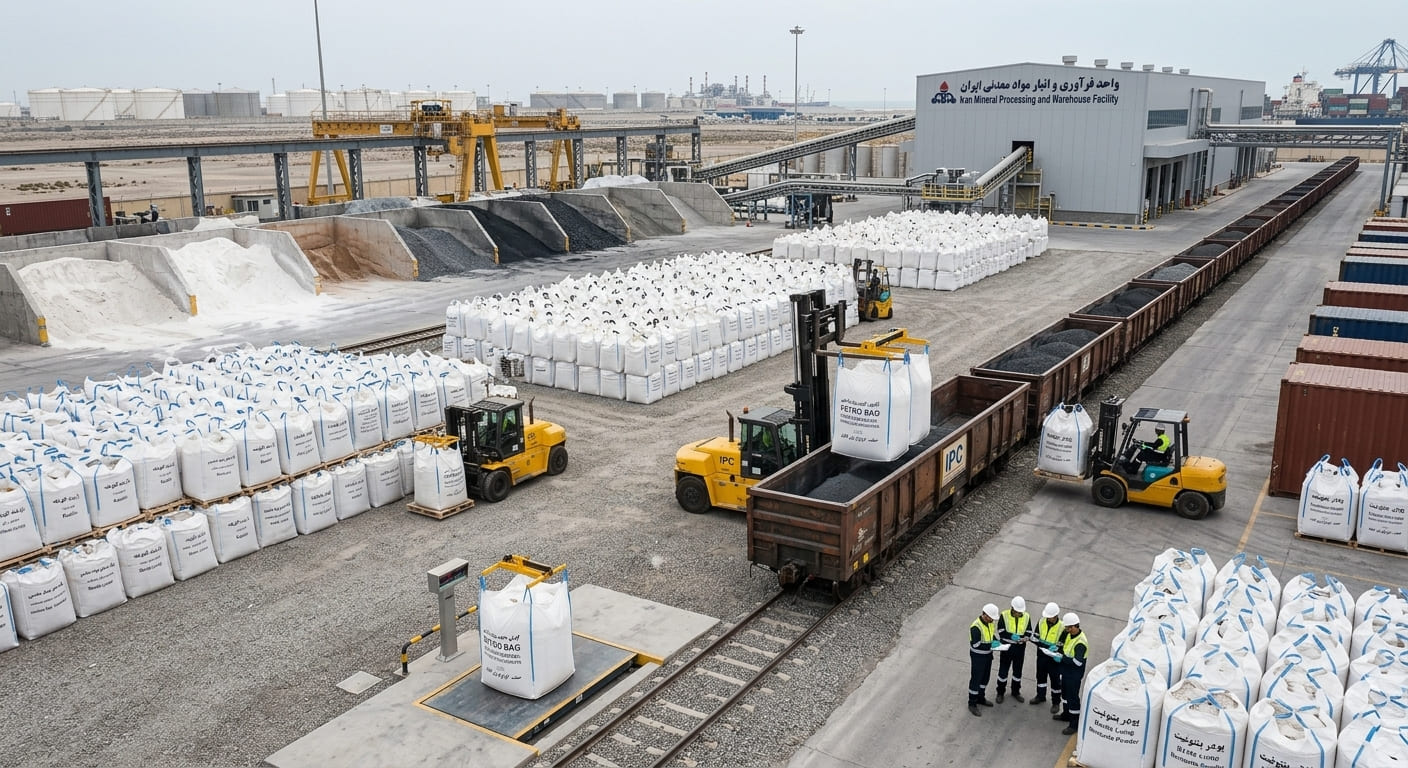
2. Jumbo Bags / Big Bags
Jumbo bags, also known as Flexible Intermediate Bulk Containers (FIBCs), are widely used for bulk quantities of dry materials.
They can provide practical advantages when handling larger quantities because they combine relatively high capacity with easier mechanical handling.
They are commonly considered for products such as:
Industrial minerals
Calcium carbonate
Fluorite
Fertilizers
Chemical powders
Granular materials
The exact bag specification should be selected according to the product, loading method, transportation conditions, and customer requirements.
3. Drums and Other Rigid Packaging
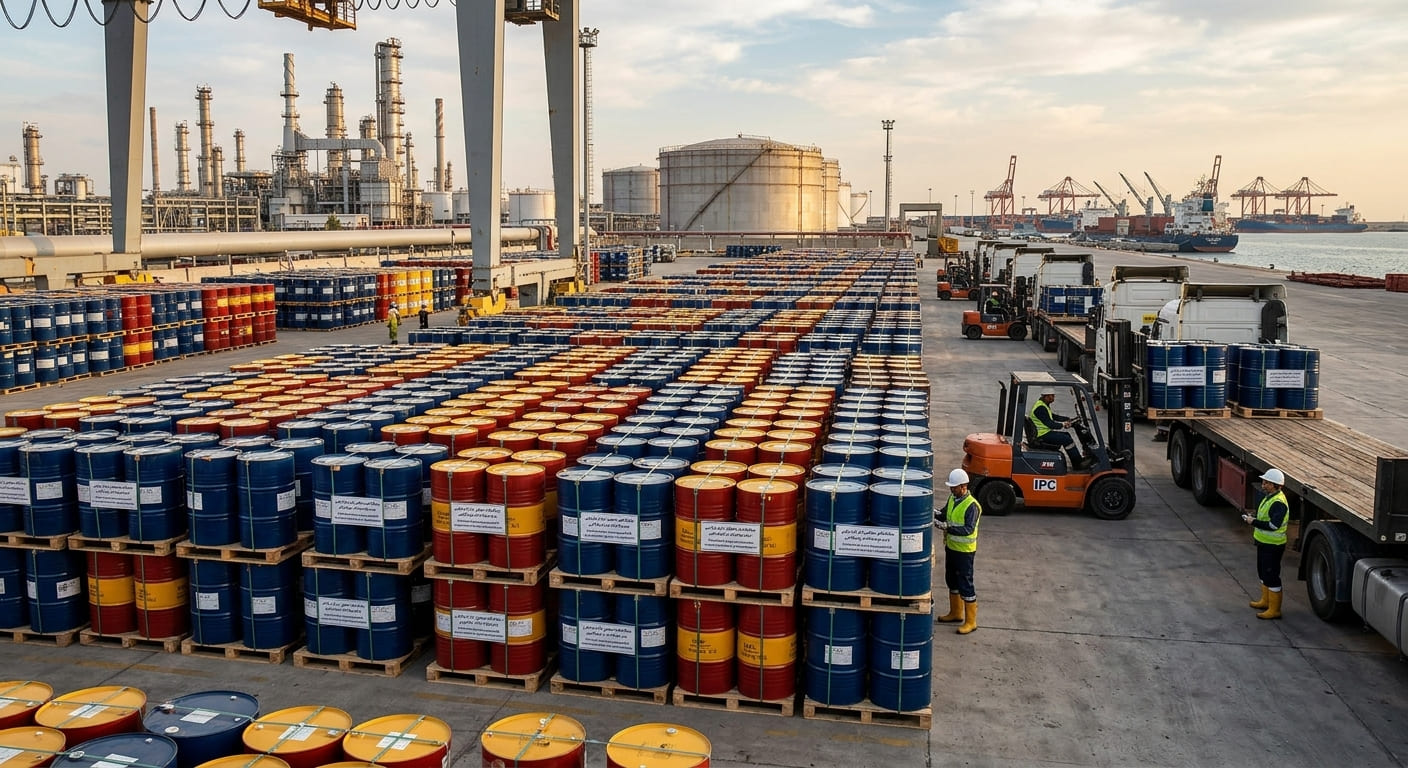
Certain liquid, semi-liquid, or specialty industrial products may require rigid packaging such as drums or other suitable containers.
The correct container depends on factors including:
Product characteristics
Compatibility of the packaging material
Quantity
Transportation method
Handling requirements
Destination regulations
For regulated or dangerous goods, applicable transport and packaging regulations must also be considered. International regulations can specify approved packaging types and performance requirements.
4. Bulk Transportation
For certain commodities, bulk transportation may be considered instead of individual bags or containers.
Bulk solutions can be appropriate when:
Shipment quantities are large
The product is suitable for bulk handling
The transportation method supports bulk cargo
The buyer has suitable unloading and storage facilities
Bulk transportation should always be evaluated together with the complete logistics route.
Choosing the Right Packaging
There is no single packaging solution that works for every product.
Several factors should be reviewed before selecting the packaging method.
Product Characteristics
Is the product a powder, granule, liquid, solid, or another form?
Its physical and chemical characteristics can influence the appropriate packaging solution.
Shipment Quantity
A small shipment may require a different solution from a full-scale bulk shipment.
The total quantity can affect packaging format, palletization, loading method, and transportation planning.
Transportation Method
Road, sea, rail, or multimodal transportation can involve different handling requirements.
Packaging should be selected with the complete transportation chain in mind.
Destination
The destination country, customs requirements, handling facilities, and final delivery conditions can influence packaging decisions.
Customer Requirements
Many industrial buyers have their own packaging specifications.
These may include:
Bag size
Weight per bag
Packaging material
Inner liner
Pallet requirements
Labeling
Marking
Loading configuration
Packaging Should Be Connected to Logistics
One of the most important points in international trade is that packaging should not be planned separately from transportation.
For example, the packaging selected for an industrial mineral shipment should also consider how the cargo will be loaded, transported, unloaded, stored, and delivered.
TAV PETROIL coordinates packaging and handling together with transportation and delivery requirements, helping connect product preparation with the broader supply chain.
This approach can be particularly useful for cross-border shipments where several suppliers, carriers, logistics partners, and receiving parties may be involved.
Packaging for Industrial Minerals
Industrial minerals often require practical and efficient packaging solutions because they are frequently transported in significant quantities.
For example, products such as calcium carbonate and flotation fluorite may be supplied in different mesh sizes and quantities depending on the buyer's application.
The packaging can then be coordinated according to:
Product grade
Particle size
Quantity
Loading requirements
Destination
Transportation method
Customer specification
TAV PETROIL currently coordinates supply and logistics for selected industrial materials and can discuss packaging requirements as part of the commercial inquiry process.
Packaging for Petroleum & Petrochemical Products
Petroleum and petrochemical products can have very different physical and handling characteristics.
Products such as bitumen, solvents, base oils, PVC, urea, diesel, and gasoline may require different preparation, packaging, storage, and transportation arrangements.
The appropriate solution therefore depends on the specific product and shipment.
TAV PETROIL's supply service covers a range of petroleum and petrochemical products, while its packaging, transportation, and logistics services can be coordinated according to individual shipment requirements.
From Packaging to Final Delivery
Packaging is only one part of an international shipment.
A coordinated supply chain may include:
1. Product Sourcing
Identifying the required product and supplier.
2. Product Preparation
Preparing the product according to agreed requirements.
3. Packaging & Handling
Selecting and coordinating the appropriate packaging and handling process.
4. Documentation
Coordinating the required commercial and shipment documentation.
5. Transportation
Arranging transportation from the source toward the destination.
6. Final Delivery
Coordinating the shipment through the final delivery stage.
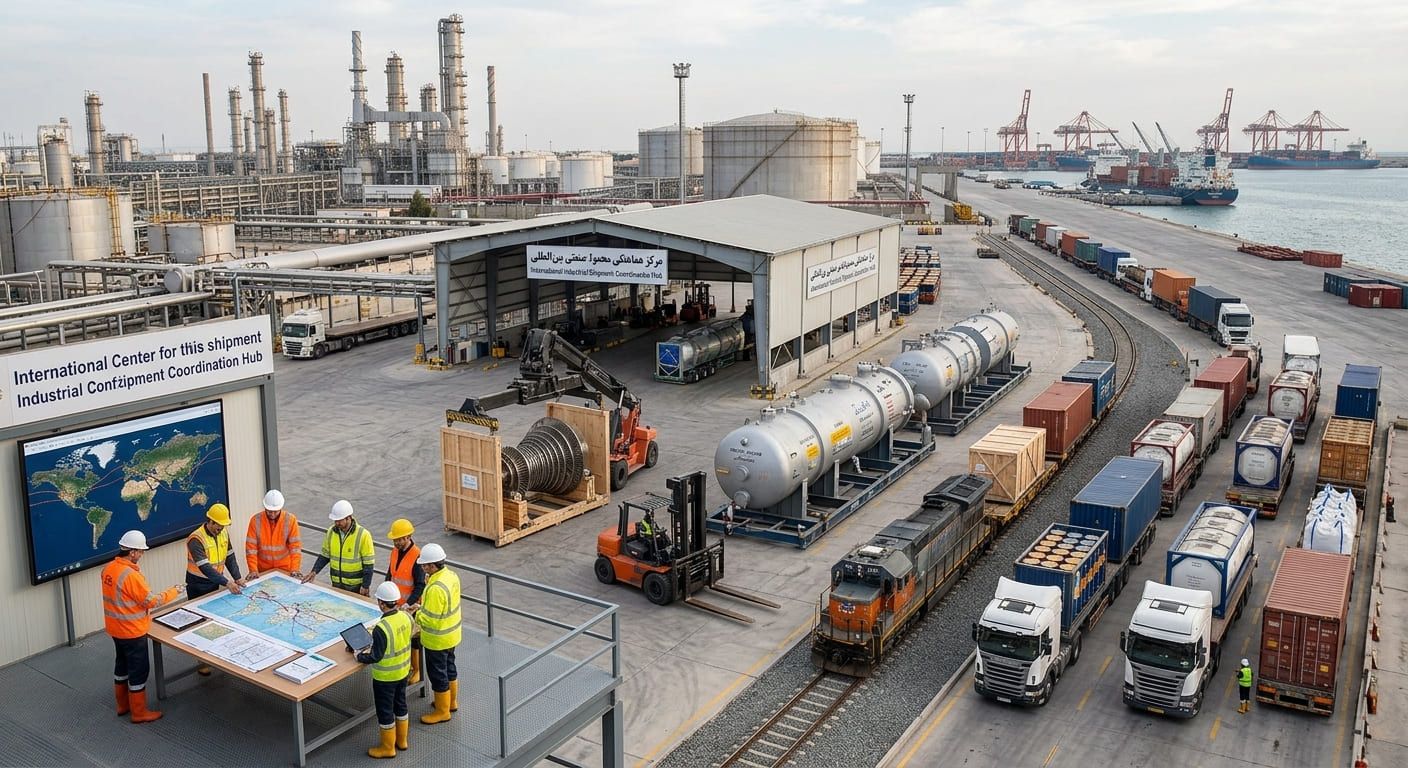
This integrated approach is particularly important for cross-border trade, where transportation, documentation, packaging, and delivery must work together. TAV PETROIL coordinates these stages through its broader energy logistics service.
Why Work With TAV PETROIL?
TAV PETROIL connects sourcing, packaging, transportation, international trading, and energy logistics within one coordinated commercial network.
Our packaging and handling solutions are developed around the specific requirements of each shipment, including:
Product type
Quantity
Packaging requirements
Origin
Destination
Transportation method
Delivery conditions
The objective is simple:
Prepare the product correctly, coordinate the logistics efficiently, and move the shipment toward its final destination.
Need a Packaging & Logistics Solution?
If you are sourcing petroleum, petrochemical, mineral, or other industrial products, send us your requirements before requesting a quotation.
Please include:
Product name
Required specification
Quantity
Preferred packaging
Origin or sourcing requirements
Destination
Preferred Incoterm
Required delivery schedule
TAV PETROIL can coordinate packaging, handling, transportation, and delivery requirements as part of the overall supply process.
Explore our [Packaging & Handling services] and [Transportation & Delivery solutions] for more information. Packaging & Handling Services Transportation & Delivery Services
For broader logistics requirements, see our [Energy Logistics services]. Energy Logistics Services
Frequently Asked Questions
What is the best packaging for industrial products?
There is no universal solution. The appropriate packaging depends on the product characteristics, quantity, transportation method, destination, handling requirements, and customer specifications.
What are jumbo bags used for?
Jumbo bags, or FIBCs, are commonly used for transporting and handling larger quantities of dry bulk materials such as minerals, powders, granules, and other industrial products.
Can TAV PETROIL arrange customized packaging?
Yes. TAV PETROIL coordinates packaging requirements according to product type, quantity, transportation requirements, destination, and customer specifications.
Does packaging affect transportation?
Yes. Packaging can influence loading, unloading, handling, storage, cargo configuration, and transportation planning. This is why packaging should be considered together with the logistics plan.
Can packaging and transportation be arranged together?
Yes. TAV PETROIL coordinates packaging and handling together with transportation and delivery requirements as part of an integrated supply and logistics process.
What information should buyers provide when requesting packaging?
Buyers should ideally provide the product, specification, quantity, destination, preferred packaging, transportation method, and any specific packaging or labeling requirements.
How can I request a packaging and supply solution from TAV PETROIL?
Send your product requirements, quantity, destination, and packaging preferences to TAV PETROIL. Our team can review the requirements and coordinate the relevant sourcing, packaging, transportation, and delivery options.
You can also visit our [Contact page] to send your inquiry. Contact TAV PETROIL