
Liquefied Petroleum Gas, commonly known as LPG, is one of the most widely used hydrocarbon energy products in the global market. Its combination of energy content, transportability and flexible applications has made it an important fuel for households, commercial businesses, agriculture, transportation and industrial operations.
Unlike natural gas, which is normally transported in a gaseous state through pipelines or liquefied at extremely low temperatures as LNG, LPG can be converted into a liquid primarily through pressurization. This makes it possible to store and transport significant quantities in relatively compact vessels.
For international buyers, however, purchasing LPG is about more than simply finding a product. Product composition, specification, quantity, packaging or storage requirements, loading point, transportation route and final destination can all affect the commercial structure of an LPG shipment.
TAV PETROIL supports international buyers looking for LPG supply from Iran, coordinating sourcing, commercial requirements, packaging where applicable, transportation and delivery according to the requirements of each shipment.
What Is Liquefied Petroleum Gas?
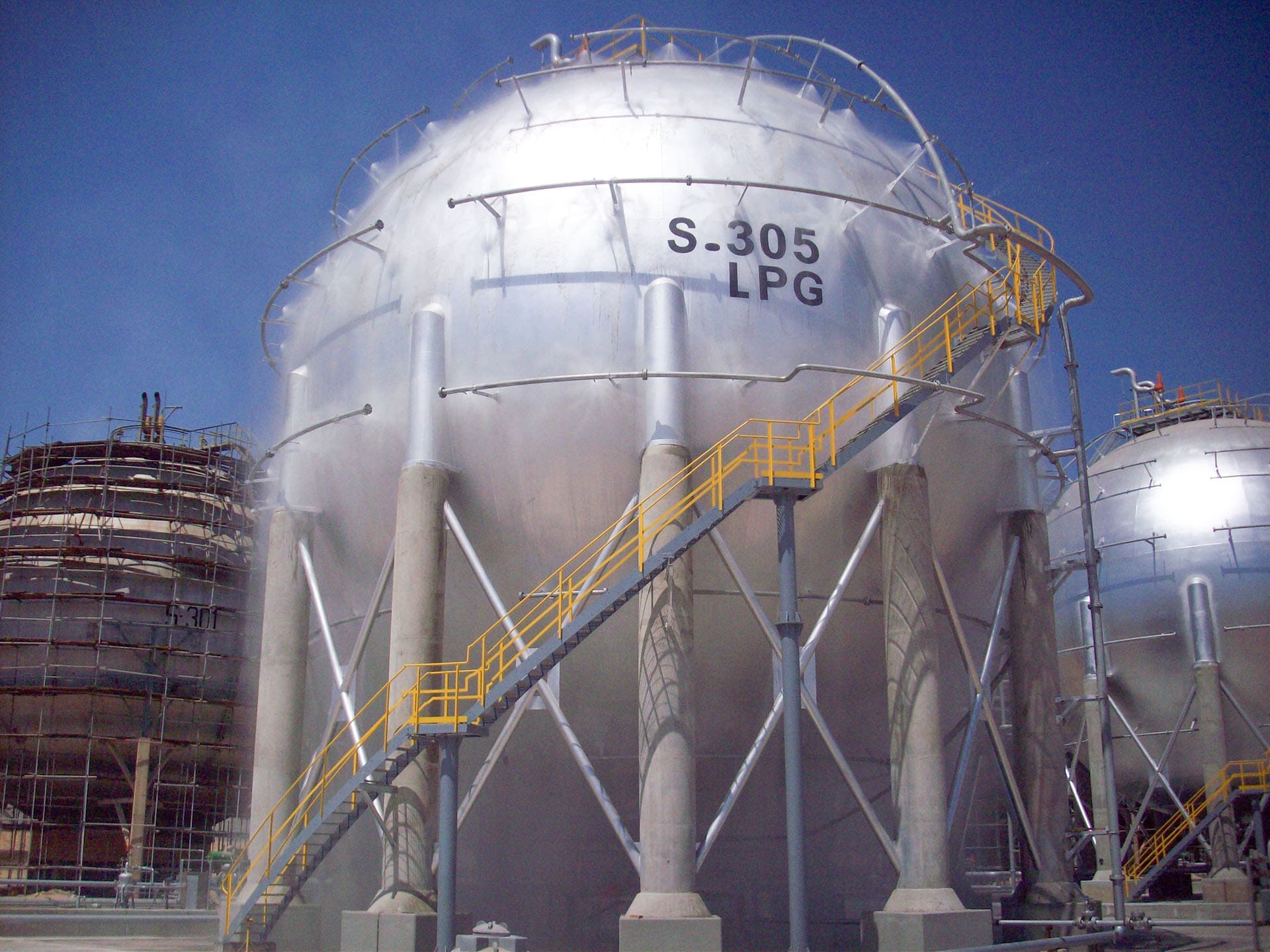
LPG is a group of hydrocarbon gases primarily consisting of propane, normal butane and isobutane. Depending on the production source and commercial specification, LPG may be supplied as a single component or as a mixture of different hydrocarbons.
LPG is produced mainly through two industrial routes:
Natural gas processing
Crude oil refining
Because these hydrocarbons have relatively low boiling points, they can be maintained in liquid form under pressure. Once the pressure is reduced, LPG returns to its gaseous state and can be used as a fuel or industrial feedstock.
The exact composition of LPG can vary according to the source, production process, market and required specification. Therefore, buyers should always confirm the required product specification and analysis before finalizing a purchase.
How Is LPG Different from Natural Gas?
LPG and natural gas are both important energy products, but they have significantly different characteristics.
Natural gas is composed primarily of methane and is commonly delivered through pipeline networks. It can also be converted into LNG by cooling it to extremely low temperatures.
LPG, on the other hand, mainly contains propane and butanes and can be liquefied through pressure without requiring cryogenic refrigeration.
This difference gives LPG an important advantage in markets where pipeline infrastructure is limited. It can be stored in tanks and transported by road, rail, pipeline or specialized vessels depending on the quantity and logistics requirements.
For international supply chains, this flexibility makes LPG suitable for destinations that require bulk energy products but may not have direct access to natural gas infrastructure.
Main Components of LPG
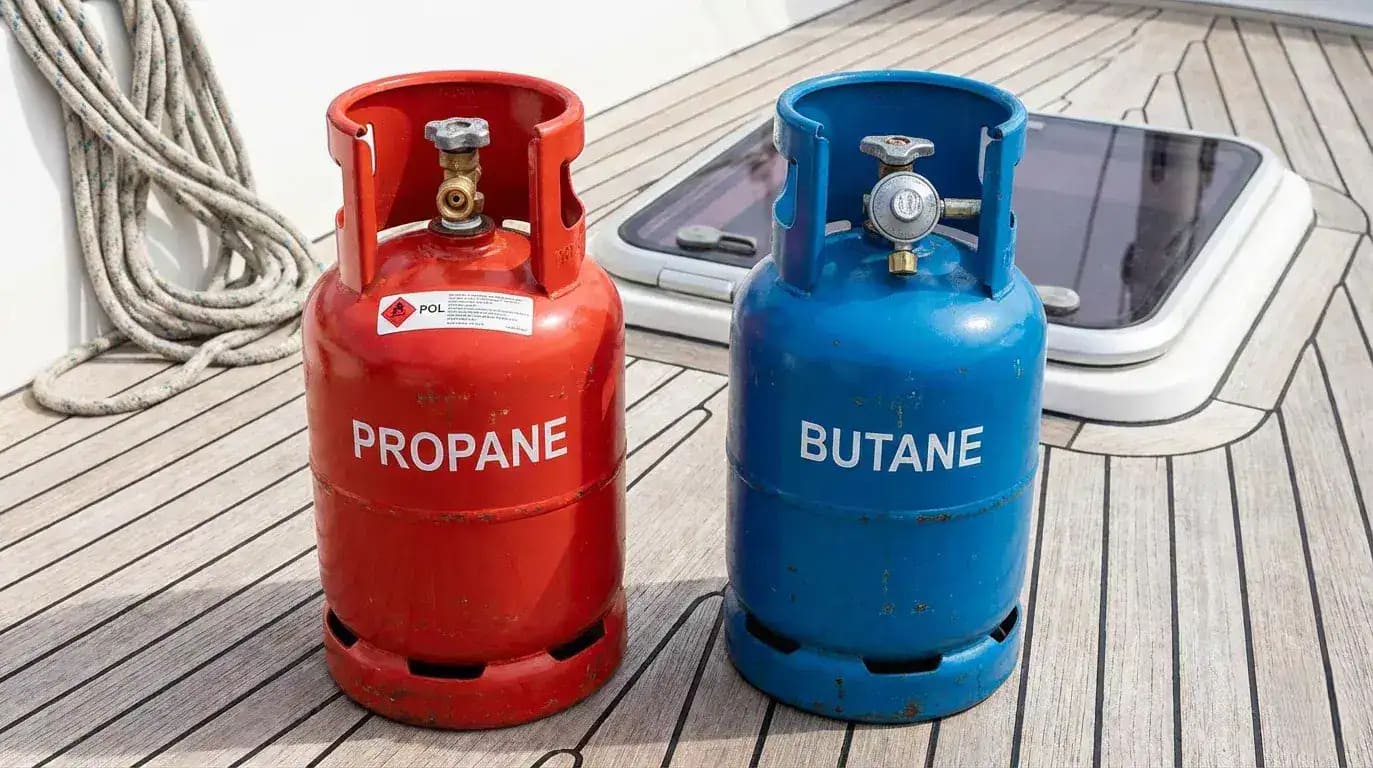
The most common components associated with LPG include:
Propane
Propane is widely used as a fuel for heating, cooking and industrial applications. It is also used in agriculture and transportation and can serve as a petrochemical feedstock.
Butane
Butane is another important LPG component used in fuel applications and as a feedstock in petroleum refining and petrochemical processes.
Isobutane
Isobutane is used in various industrial and petrochemical applications and can also be present in commercial LPG mixtures.
The ratio between these components can vary depending on the required product grade and intended application.
For this reason, commercial buyers should specify whether they require propane, butane, an LPG mixture or a particular technical/commercial specification.
What Is LPG Used For?
One of the main reasons LPG remains important in international energy markets is its wide range of applications.
According to the U.S. Energy Information Administration, propane and other hydrocarbon gas liquids are used across residential, commercial, industrial, agricultural and transportation sectors.
1. Cooking
LPG is widely used for cooking in residential and commercial environments.
Restaurants, catering companies, food-processing facilities and households can use LPG where a reliable supply of pipeline natural gas is unavailable or unsuitable.
Its ability to be stored in pressurized containers makes it particularly useful in areas without extensive gas distribution infrastructure.
2. Heating
LPG can be used for space heating and water heating in residential, commercial and industrial facilities.
It is especially useful in locations where natural gas pipelines are unavailable or where businesses require an alternative fuel source.
3. Industrial Applications
Industrial users may use LPG as a direct fuel or as part of manufacturing and processing operations.
Potential applications include:
Industrial heating
Boilers and process heating
Metalworking
Manufacturing operations
Drying processes
Agricultural applications
Food processing
The appropriate LPG grade and supply arrangement depend on the equipment and application.
4. Agricultural Applications
Agricultural operations can use propane and LPG for several purposes, including crop drying, greenhouse heating and livestock facility heating.
Agricultural demand can also vary significantly according to weather conditions and seasonal production cycles.
5. Transportation
LPG can also be used as an automotive fuel, commonly referred to as Autogas.
LPG-powered vehicles have been used in different markets for passenger vehicles, commercial fleets, taxis and other transportation applications.
6. Petrochemical Feedstock
LPG is not only an energy product.
Propane and butanes can also play a role in petrochemical and refining processes. Propane can be used as a feedstock for producing petrochemicals, while butanes have applications in refining and chemical production.
This makes LPG relevant to both the energy sector and petrochemical industry.
LPG Storage and Transportation
Because LPG is stored as a pressurized liquid, its storage and transportation require appropriate equipment and procedures.
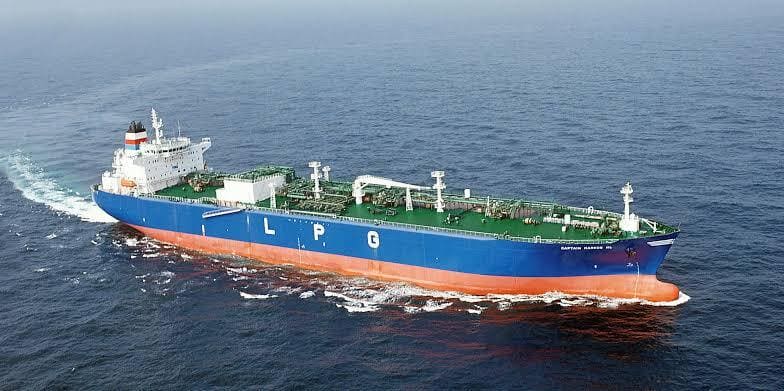
Depending on the volume and destination, LPG may be transported using:
Pressurized road tankers
Rail tank cars
Pipelines
Specialized LPG vessels
Bulk storage systems
Large-scale LPG transportation may involve specialized gas carriers designed to keep the product in a suitable condition during shipment.
The U.S. Energy Information Administration notes that hydrocarbon gas liquids can be transported through pipelines, rail, trucks and specialized vessels, with LPG commonly moved in pressurized systems.
For international shipments, logistics planning is therefore an important part of the supply process.
Why LPG Specifications Matter
There is no single composition that applies to every LPG transaction.
Depending on the intended application and destination market, buyers may have specific requirements regarding:
Propane content
Butane content
Hydrocarbon composition
Vapor pressure
Sulfur content
Density
Moisture
Residual materials
Odorization
Applicable technical standards
This is why an international LPG purchase should begin with a clear product specification.
At TAV PETROIL, buyers can provide their required specification, quantity and destination so that suitable sourcing options can be evaluated.
LPG Supply from Iran
Iran has a significant position within the regional energy and petrochemical supply chain, making Iranian-origin petroleum and petrochemical products relevant to buyers in neighboring and international markets.
For companies looking for LPG from Iran, sourcing requires coordination between the buyer, supplier, logistics providers and other parties involved in the transaction.
TAV PETROIL works with regional suppliers and commercial partners to support the sourcing and international supply of petroleum and petrochemical products.
Our approach is based on the buyer's actual requirements rather than offering a one-size-fits-all product.
If you are looking for LPG supply, you can share your:
Required quantity
Product specification
Destination country
Preferred delivery terms
Packaging or transportation requirements
with our commercial team.
TAV PETROIL LPG Supply & International Trading
TAV PETROIL provides oil and petrochemical supply, international trading, packaging, transportation and energy logistics solutions for buyers operating across regional and international markets.
Our Oil & Petrochemical Supply services cover sourcing a range of petroleum and petrochemical products according to customer requirements and specifications.
For customers who need more than product sourcing, our Energy Logistics services can support coordination between sourcing, documentation, transportation and final delivery.
Packaging and product preparation can also be coordinated according to product characteristics, shipment conditions and customer requirements through our Packaging & Handling services.
For international buyers and trading companies, our International Trading services provide a commercial framework for connecting buyers, suppliers and logistics partners across regional and global markets.
Where Can LPG Be Supplied?
The suitable supply route depends on the origin, destination, quantity, product specification and applicable logistics conditions.
TAV PETROIL works with buyers across regional and international markets and can evaluate LPG supply requirements for destinations including markets in:
Persian Gulf countries
Turkey
Azerbaijan
Armenia
Turkmenistan
Georgia
Uzbekistan
Pakistan
Central Asia
Other international destinations
Each shipment is evaluated according to its specific commercial and logistical requirements.
How to Buy LPG from TAV PETROIL
If your company is looking to purchase LPG, the first step is to provide the required product information.
A typical inquiry should include:
Product: LPG / Propane / Butane or required mixture
Quantity: Required volume in MT
Specification: Required product analysis or standard
Destination: Final delivery country and location
Delivery Terms: FOB, CIF or other requested Incoterm
Packaging: Bulk or required packaging method, where applicable
Application: Intended industrial, commercial or energy use
Once the requirements are received, suitable sourcing and logistics options can be reviewed.
This approach helps ensure that the proposed product matches the buyer's technical requirements before commercial terms are finalized.
Why Choose a Supply Partner for LPG?
International LPG transactions involve more than product availability.
A successful shipment may require coordination of sourcing, product specifications, commercial documentation, transportation, loading arrangements and final delivery.
A supply partner with experience across these stages can help simplify communication between the buyer, supplier and logistics parties.
TAV PETROIL combines product sourcing, international trading and logistics coordination to help customers manage these requirements through a connected commercial process.
Frequently Asked Questions About LPG
What does LPG stand for?
LPG stands for Liquefied Petroleum Gas. It is a group of hydrocarbon gases, primarily propane, normal butane and isobutane, that can be stored in liquid form under pressure.
What is LPG mainly used for?
LPG is used for cooking, heating, industrial processes, agriculture, transportation and as a feedstock in certain petrochemical applications.
Is LPG the same as natural gas?
No. LPG and natural gas have different compositions and physical properties. LPG primarily contains propane and butanes, while natural gas consists mainly of methane.
Can LPG be transported internationally?
Yes. LPG can be transported internationally using appropriate pressurized or refrigerated systems, including specialized vessels and other transportation methods depending on the shipment.
Can TAV PETROIL supply LPG from Iran?
TAV PETROIL can evaluate LPG sourcing requirements from Iran and coordinate suitable supply options based on the required specification, quantity, destination and commercial terms.
What information is required to request an LPG quotation?
Buyers should normally provide the required product specification, quantity, destination, preferred delivery term and any packaging or transportation requirements.
Is LPG available in different grades or compositions?
Yes. LPG composition can vary depending on the product source, market and intended application. Buyers should therefore provide the required specification or product analysis before receiving a final commercial offer.
How is LPG stored?
LPG is generally stored as a liquid in appropriately designed pressurized tanks or vessels. Storage requirements depend on the product, quantity, temperature, pressure and applicable safety standards.
Request an LPG Supply Offer
Looking for a reliable source of LPG from Iran? Contact Us
TAV PETROIL can help evaluate your requirements and explore suitable sourcing, trading, packaging and transportation solutions for your destination market.
Send us your required LPG specification, quantity and destination, and our team can review the available supply options.