
Japan's largest oil refiner, ENEOS Holdings, is accelerating its international expansion through a series of major acquisitions across Asia, Australia and the United States.
The strategy comes as the company faces declining demand in Japan and looks to diversify its revenue base by expanding its refining, trading and petrochemical activities in international markets.
According to Reuters, ENEOS has recently completed or announced several significant acquisitions, including downstream assets previously owned by Chevron in Asia and Australia, as well as the purchase of U.S.-based butadiene producer TPC Holdings.
The developments highlight how major energy companies are increasingly looking beyond their domestic markets and strengthening their international supply, refining and trading networks.
ENEOS Accelerates Its International Expansion
ENEOS has traditionally maintained a dominant position in Japan, operating approximately 11,000 service stations across the country.
However, declining domestic fuel demand has encouraged the company to look for growth opportunities outside Japan.
The company's recent acquisition strategy represents a shift toward its core businesses, particularly refining, petrochemicals and international trading.
Reuters reports that ENEOS expects the recent Chevron downstream acquisitions to increase the share of its revenue generated overseas from approximately 16% to around 30%, with the company targeting 50% by 2030.
This represents a significant change in the company's international strategy.
Major Chevron Downstream Acquisition
One of the most important steps in ENEOS's expansion strategy has been its acquisition of more than $2 billion worth of Chevron's downstream assets across Asia and Australia.
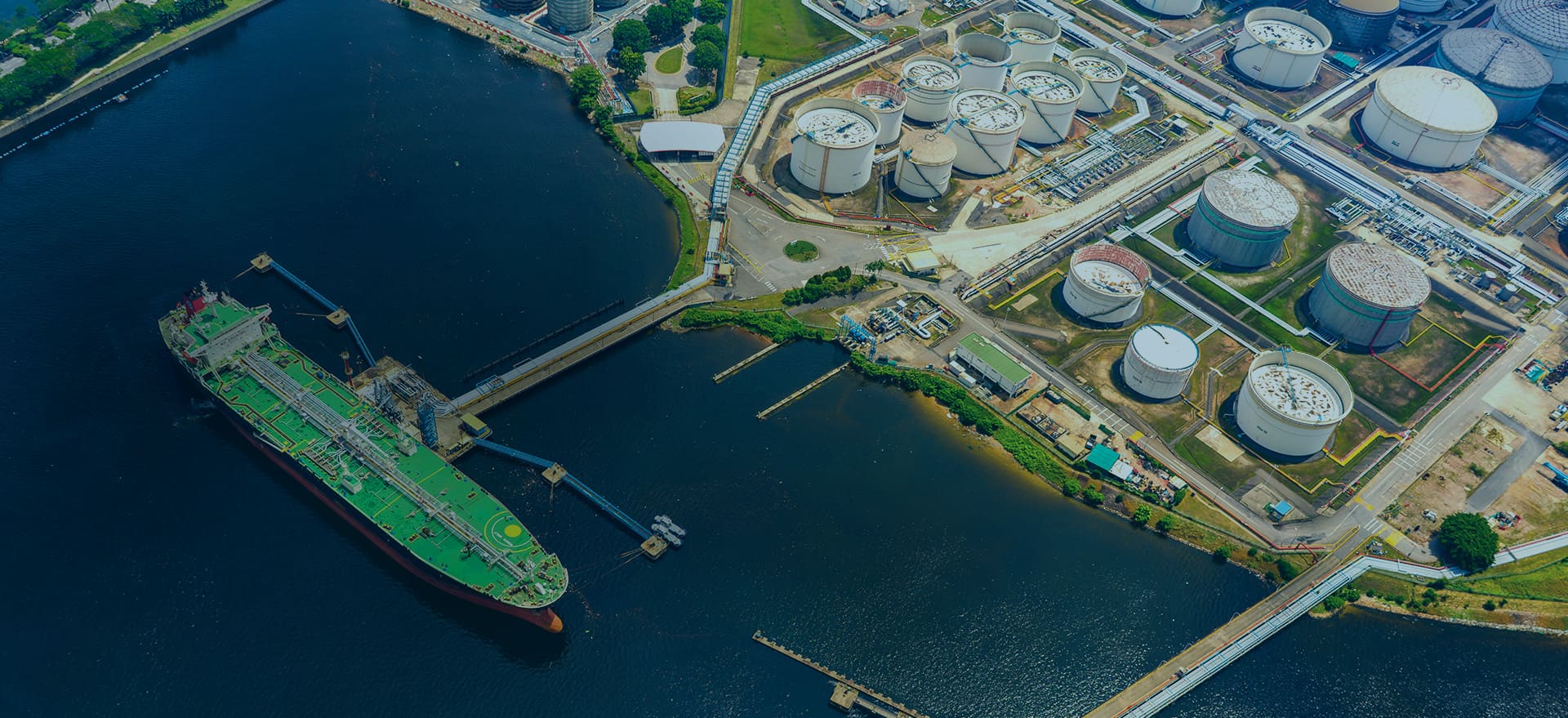
Among these assets is a 50% stake in Singapore Refining Company, a refinery with a capacity of approximately 290,000 barrels per day.
The acquisition gives ENEOS greater exposure to regional refining and trading markets and provides access to additional infrastructure within one of Asia's most important energy hubs.
Singapore plays a particularly important role in the global oil market because of its location, refining infrastructure, storage facilities and extensive network of energy trading companies.
For international energy companies, access to these types of assets can provide opportunities to improve supply flexibility and optimize trading activities across different markets.
ENEOS Enters the Global Butadiene Market
ENEOS has also announced the acquisition of TPC Holdings, a U.S. producer of butadiene, for approximately $1.25 billion.
Butadiene is an important petrochemical feedstock used in the production of synthetic rubber and other chemical products.
According to Reuters, the acquisition would make ENEOS the third-largest global producer of butadiene.
The transaction demonstrates that ENEOS's international strategy is not limited to traditional petroleum refining.
Instead, the company is also strengthening its position across the wider petrochemical value chain.
This diversification can help energy companies access additional revenue streams while reducing their dependence on traditional domestic fuel demand.

Why International Trading Is Becoming More Important
The ENEOS strategy reflects a broader trend across the global energy industry.
As domestic fuel consumption changes in mature markets, major oil companies and refiners are increasingly looking toward:
- International refining assets
- Petrochemical production
- Commodity trading
- Global supply networks
- Energy logistics
- Access to diverse crude sources
- Cross-border commercial opportunities
International trading can allow companies to respond more efficiently to differences in supply, demand, pricing and regional market conditions.
Reuters also reports that ENEOS intends to use its expanded asset base to increase trading volumes and gain access to a more diverse range of crude oil sources, potentially reducing its reliance on Middle Eastern crude.
The Importance of Diversified Energy Supply Chains
The expansion of companies such as ENEOS also demonstrates the growing importance of diversified energy supply chains.
Global oil and petrochemical markets are influenced by numerous factors, including:
- Crude oil availability
- Refinery capacity
- Transportation costs
- Geopolitical developments
- Regional demand
- Storage infrastructure
- Petrochemical feedstock prices
- International trade regulations
For buyers and sellers, having access to multiple suppliers, transportation routes and commercial partners can therefore become an important competitive advantage.
This is particularly relevant for companies involved in international oil and petrochemical trading, where successful transactions depend not only on product availability but also on sourcing, logistics, documentation and delivery coordination.
What ENEOS's Strategy Means for Global Energy Markets
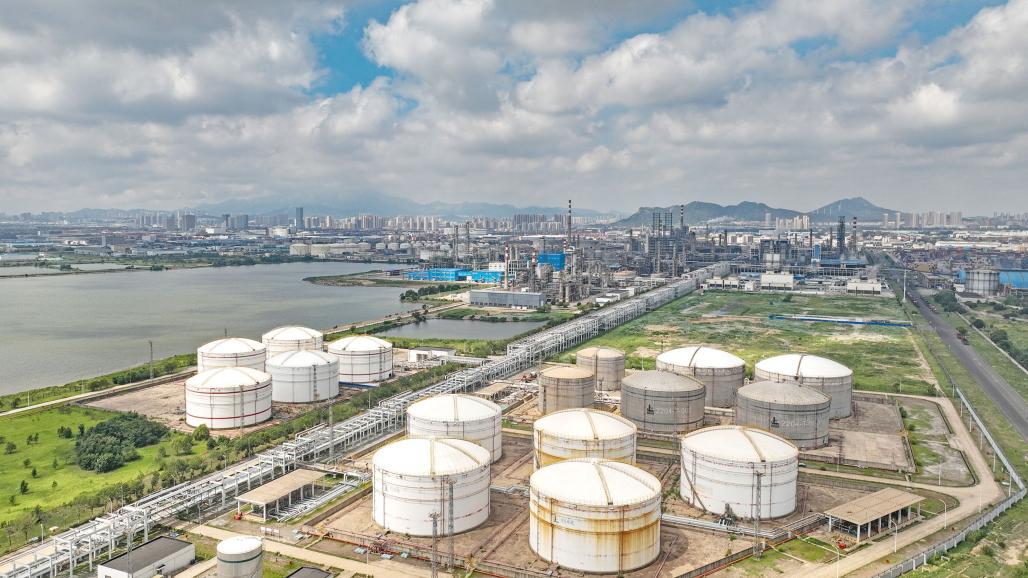
ENEOS's recent acquisitions could strengthen its position in several important international markets.
The company's expanded asset portfolio provides greater exposure to Asia-Pacific refining and trading activities while its investment in U.S. petrochemicals increases its presence in the global chemical industry.
The company has already allocated approximately 300 billion yen for investment and could increase its investment capacity using proceeds from the planned IPO of a subsidiary, according to Reuters. ENEOS is also considering additional acquisitions, including upstream natural gas opportunities in Southeast Asia.
This suggests that international expansion will remain an important component of ENEOS's long-term strategy.
What This Means for International Oil & Petrochemical Trading
The ENEOS case is an example of how the global energy industry is becoming increasingly interconnected.
Refiners, petrochemical producers, traders, logistics companies and industrial buyers are no longer operating only within their domestic markets.
Instead, companies are building international networks to improve:
Sourcing → Trading → Logistics → Delivery
This creates opportunities for specialized trading and supply companies that can connect producers with buyers across different regions.
For companies looking to source oil and petrochemical products from international markets, having a reliable commercial partner with access to producers and logistics networks can simplify the sourcing and delivery process.
How TAV PETROIL Supports International Supply
At TAV PETROIL, we operate across the international oil and petrochemical supply chain, connecting buyers with suitable suppliers and producers.
Our activities include sourcing and supply of products such as base oils, bitumen, solvents, diesel, gasoline, PVC, urea and other petroleum and petrochemical products, depending on specifications, availability and destination.
We also support customers with international trading, packaging, transportation and delivery coordination.
For companies looking to source petroleum and petrochemical products from regional markets, our approach is focused on understanding the buyer's requirements and identifying suitable supply solutions.
You can learn more about our oil and petrochemical supply services or explore our international trading solutions.
A Changing Global Energy Landscape
ENEOS's expansion strategy illustrates a broader transformation taking place across the global energy industry.
As traditional markets evolve, energy companies are increasingly looking beyond their domestic operations and investing in international refining, petrochemical production, trading and supply infrastructure.
For traders and industrial buyers, these developments underline the importance of maintaining flexible sourcing strategies and reliable international supply networks.
As global energy markets continue to evolve, companies that can effectively connect producers, traders, logistics providers and end users will remain an important part of the international energy supply chain.
Conclusion
ENEOS's recent acquisitions represent a significant step in the Japanese energy company's international growth strategy.
From downstream refining assets in Asia and Australia to petrochemical production in the United States, the company is expanding its international footprint while increasing its focus on refining, trading and petrochemicals.
Its strategy also highlights a wider trend in the energy industry: international diversification, flexible sourcing and integrated trading networks are becoming increasingly important in a changing global market.
For businesses involved in the buying, selling and transportation of petroleum and petrochemical products, these developments demonstrate the importance of reliable international supply partnerships.
Looking for an international partner for oil and petrochemical sourcing? Contact TAV PETROIL to discuss your requirements.