
Supplying a petroleum, petrochemical, mineral, or industrial product is only one part of an international transaction.
Once the product has been sourced, it must move from the point of origin to the buyer's destination through a transportation process that may involve road freight, ports, border crossings, international shipping, customs procedures, and final delivery.
For buyers sourcing products from Iran, understanding how cross-border transportation works can make the entire purchasing process more transparent.
What Is Cross-Border Transportation?
Cross-border transportation refers to the movement of goods between two or more countries through an organized logistics chain.
A typical shipment may involve:
Supplier → Loading Point → Inland Transportation → Border / Port → International Transportation → Destination → Final Delivery
Depending on the product and destination, the shipment may use one transportation mode or a combination of several modes.
The objective is not simply to move cargo from point A to point B, but to coordinate the different stages so that the product reaches the destination according to the agreed commercial and delivery requirements.
Why Transportation Planning Matters
A competitive product price does not automatically mean that the overall transaction will be efficient.
Transportation can influence:
Total landed cost
Delivery time
Packaging requirements
Loading arrangements
Route selection
Documentation
Customs procedures
Cargo handling
Final delivery
For this reason, transportation planning should begin alongside the commercial quotation rather than after the product has already been purchased.
Common Transportation Modes
The appropriate transportation method depends on the product, quantity, destination, delivery schedule, and available route.
1. Road Transportation
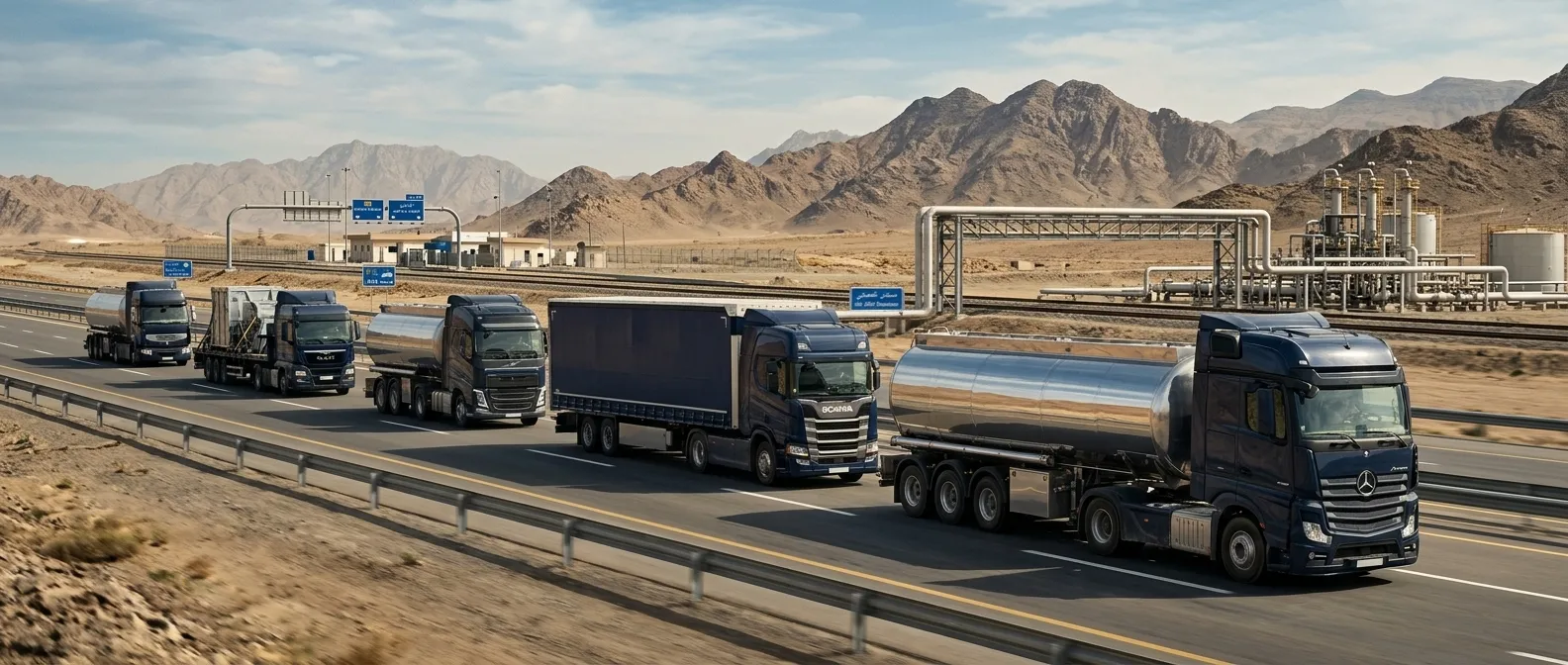
Road freight can be particularly important for regional and cross-border shipments.
It can connect production or loading locations with:
Border crossings
Ports
Warehouses
Distribution centers
Final customer locations
For shipments moving between neighboring or regional markets, road transportation can form an important part of the overall logistics chain.
2. Sea Transportation
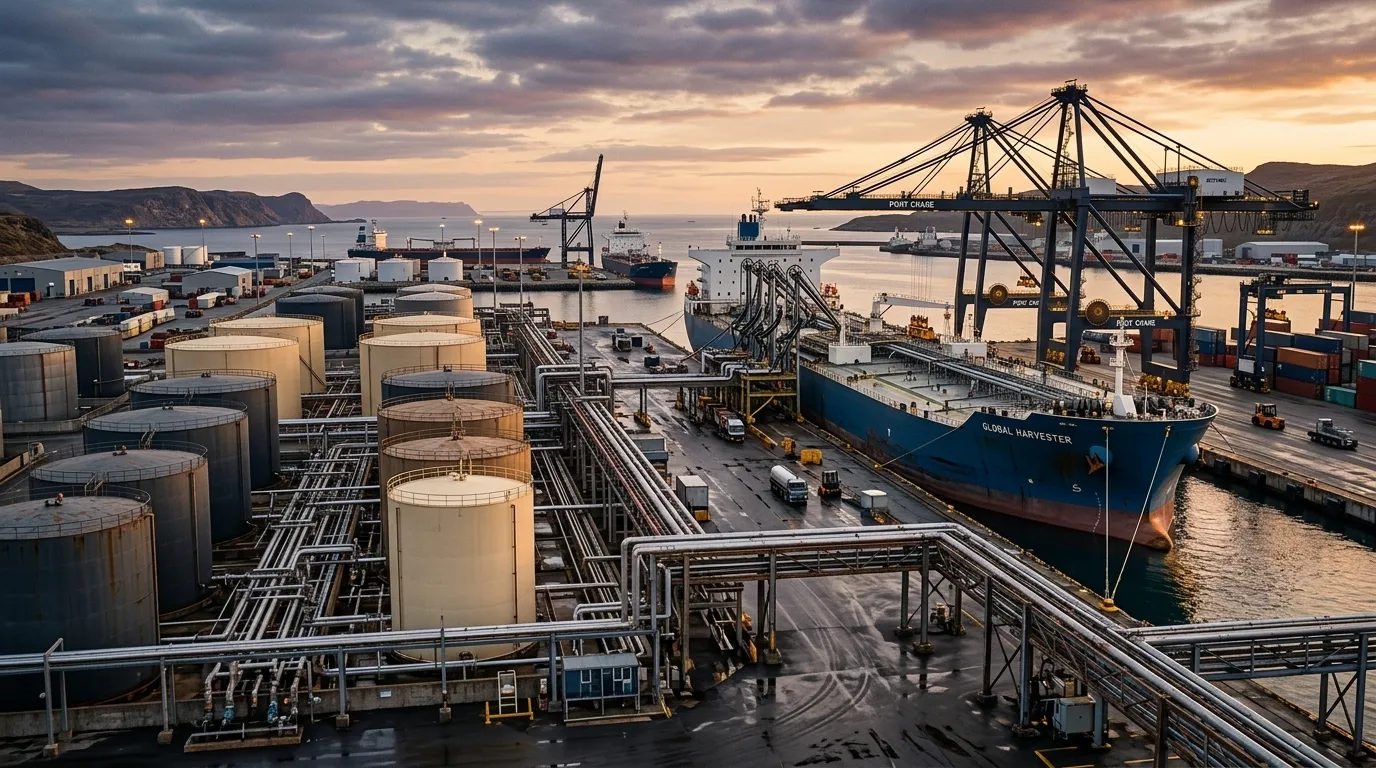
For larger international shipments, sea freight can provide access to major international ports.
A shipment may first move by road or another inland mode to a port and then continue by sea toward the destination.
This creates a multimodal transportation chain:
Inland Transportation → Port → Ocean Freight → Destination Port → Final Delivery
Sea transportation is particularly relevant when shipment quantities are large or when the final destination is an international seaport.
3. Multimodal Transportation
Some international shipments require more than one mode of transportation.
For example:
Truck → Port → Vessel → Truck
or:
Truck → Border → Truck → Final Destination
The logistics provider must coordinate the different stages so that the cargo can move between transportation modes without unnecessary delays or handling problems.

Transportation of Petroleum Products
Petroleum products can have specific handling, packaging, documentation, and transportation requirements depending on the product.
Examples may include:
Base oils
Bitumen
Solvents
Diesel
Gasoline
Other petroleum products
The transportation plan should consider the physical characteristics of the product, the packaging or loading method, the route, and any applicable regulatory requirements.
For products subject to dangerous-goods regulations, the relevant transport requirements must also be considered.
Transportation of Petrochemical Products
Petrochemical products can have very different physical and commercial characteristics.
Products such as:
PVC
Urea
Solvents
Industrial chemicals
Polymer products
may require different packaging and handling arrangements.
The logistics plan should therefore be developed around the specific product rather than applying the same transportation method to every shipment.
Transportation of Industrial Minerals
Industrial minerals are another important category in international supply chains.
Products such as:
Calcium Carbonate
Coated Calcium Carbonate
Fluorite
Barite
Bentonite
may be transported in bags, jumbo bags, or other suitable packaging depending on the buyer's requirements.
For these products, transportation planning should take into account:
Product quantity
Packaging weight
Number of packages
Loading configuration
Handling equipment
Destination
Required delivery schedule
For example, a shipment of hundreds of metric tons in jumbo bags requires a different loading and handling plan from a small palletized shipment.
The Importance of the Loading Point
One of the first logistics questions should be:
Where will the cargo be loaded?
The loading point affects:
Inland transportation
Route planning
Border or port selection
Loading costs
Transit time
Overall freight cost
Knowing the loading point early allows the logistics chain to be evaluated more accurately.
Choosing the Transportation Route
The shortest route is not necessarily the most practical route.
A transportation route should be evaluated based on several factors:
Distance
The physical distance between origin and destination affects transportation cost and transit time.
Border Crossings
Cross-border shipments may involve customs procedures and border controls.
The selected route should therefore account for the relevant border requirements.
Port Availability
For sea shipments, the selected port can influence freight options, vessel schedules, handling costs, and onward transportation.
Cargo Type
Different products may require different transportation or handling arrangements.
Delivery Requirements
A buyer with a specific delivery window may require a different route or transportation combination than a buyer with a flexible schedule.
Customs and Documentation
International transportation involves more than physical movement.
Documentation can be an important part of the process.
Depending on the transaction, documents may include:
Commercial Invoice
Packing List
Certificate of Origin
Certificate of Analysis
Transport documents
Customs documentation
Safety Data Sheet where applicable
Other product- or destination-specific documents
The exact documentation depends on the product, route, destination, and applicable regulations.
Incomplete or inconsistent documentation can create unnecessary delays, which is why documentation should be coordinated before shipment.
Packaging and Transportation Should Be Planned Together
Packaging and transportation are closely connected.
For example, the packaging selected for a mineral shipment can affect:
Loading efficiency
Cargo handling
Storage
Unloading
Number of transport units required
Protection of the product
Similarly, petroleum and petrochemical products may require packaging or loading arrangements based on their physical and handling characteristics.
TAV PETROIL coordinates packaging and handling requirements as part of the wider supply and logistics process.
Learn more about our Packaging & Handling Services.
Understanding the Incoterm
The transportation plan should also be considered together with the agreed Incoterm.
Incoterms® 2020 establish important responsibilities between buyers and sellers, including delivery obligations, allocation of certain costs, and transfer of risk. The ICC currently recognizes 11 Incoterms® 2020 rules.
For example, depending on the transaction, a buyer may request:
FOB
CFR
CIF
FCA
CPT
CIP
DAP
However, the correct term depends on the actual transportation structure.
For example, ICC notes that FOB, CFR, and CIF are intended for sea and inland waterway transport, while rules such as FCA, CPT, and CIP can be used for other modes or multimodal transportation.
Our previous guide explains the differences between FOB, CFR and CIF in more detail.
From Iran to the Final Destination
An international shipment from Iran can involve several logistics stages.
A simplified example could look like this:
Iranian Supplier
↓
Product Preparation & Packaging
↓
Loading
↓
Inland Transportation
↓
Border or Port
↓
International Transportation
↓
Destination Port / Border
↓
Customs & Handling
↓
Final Delivery
Each stage needs to be coordinated according to the shipment requirements.
This is particularly important when the buyer does not have its own logistics network in the region.
What Buyers Should Provide to Their Logistics Partner
The more complete the initial information, the easier it is to evaluate the transportation requirements.
International buyers should ideally provide:
Product
Specification
Quantity
Packaging
Loading location, if known
Destination country
Destination port or city
Preferred Incoterm
Required delivery schedule
Special handling requirements
Required documentation
For example:
Product: Calcium Carbonate
Grade: 450 Mesh
Quantity: 500 MT
Packaging: Jumbo Bags
Destination: Jebel Ali, UAE
Incoterm: CFR Jebel Ali
Required Shipment: Earliest available schedule
This information allows the logistics requirements to be evaluated alongside the commercial offer.
Why Coordination Matters
International supply chains often involve multiple parties:
Producer
Supplier
Packaging provider
Trucking company
Customs representatives
Freight forwarder
Shipping line
Port operators
Buyer
Final consignee
If these parties are not properly coordinated, even a straightforward shipment can become unnecessarily complicated.
A coordinated logistics process helps connect the commercial agreement with the physical movement of the cargo.
TAV PETROIL: Supply and Logistics Coordination
TAV PETROIL works with international buyers on the sourcing and movement of petroleum, petrochemical, mineral, and industrial products.
Our approach can combine:
Product Sourcing → Specification Matching → Packaging → Loading → Transportation → Logistics Coordination → Delivery
Our Oil & Petrochemical Supply service supports sourcing and supply coordination, while Transportation & Delivery focuses on moving cargo toward its destination.
For broader cross-border requirements, our Energy Logistics service connects the different stages of the logistics process.
The exact transportation solution depends on the product, quantity, origin, destination, route, packaging, and commercial terms.
How to Request a Transportation & Supply Offer
If you are planning to source products from Iran, provide the following information:
1. Product
What product are you looking for?
2. Specification
What grade or technical specification is required?
3. Quantity
How many metric tons or units do you require?
4. Packaging
Do you require bags, jumbo bags, drums, pallets, bulk, or another format?
5. Destination
What is the destination country, city, port, or border?
6. Incoterm
Do you require EXW, FOB, CFR, CIF, DAP, or another term?
7. Delivery Schedule
When do you need the cargo to arrive?
With these details, the supply and logistics requirements can be evaluated together rather than separately.
Final Thoughts
Cross-border transportation is a critical part of international commodity trading.
For petroleum, petrochemical, mineral, and industrial products, successful delivery depends on more than finding a supplier.
It requires coordination between:
Product + Packaging + Loading + Route + Documentation + Transportation + Customs + Delivery
A well-planned logistics process can make international sourcing more predictable and help buyers understand the full structure of their shipment before committing to a transaction.
For buyers sourcing products from Iran, TAV PETROIL can coordinate product supply, packaging, transportation, and delivery requirements according to the specific shipment.
Contact TAV PETROIL with your product specification, quantity, destination, and preferred delivery terms.
Frequently Asked Questions
How are petroleum products transported from Iran?
The transportation method depends on the product, quantity, destination, packaging, and applicable requirements. A shipment may use road transportation, sea freight, or a combination of multiple transportation modes.
Can industrial minerals be transported internationally from Iran?
Yes. Industrial minerals such as calcium carbonate, fluorite, barite, and bentonite can be arranged for international supply subject to product requirements, packaging, destination, applicable regulations, and logistics conditions.
What information is needed to calculate transportation requirements?
The most useful information includes product, quantity, packaging, origin or loading point, destination, preferred Incoterm, and required delivery schedule.
Does the Incoterm determine who arranges transportation?
Incoterms allocate specific responsibilities and costs between buyer and seller, but the exact obligations depend on the selected rule. The named place or port and the applicable Incoterms® version should be clearly stated in the contract.
What is multimodal transportation?
Multimodal transportation involves using more than one mode of transport within the overall movement of a shipment, such as truck transportation followed by sea freight and then another inland transport stage.
Is packaging important for transportation?
Yes. Packaging can affect loading, handling, storage, unloading, and transportation efficiency. The packaging format should therefore be considered together with the logistics plan.
Can TAV PETROIL arrange transportation and delivery?
TAV PETROIL coordinates transportation and delivery requirements as part of its broader supply and energy logistics services. The exact arrangement depends on the product, quantity, destination, route, and agreed commercial terms.
Can TAV PETROIL arrange both product sourcing and transportation?
Yes. TAV PETROIL can coordinate product sourcing together with packaging, transportation, and delivery requirements, depending on the specific transaction.
How can I request a cross-border transportation offer?
Send the product specification, quantity, packaging, destination, preferred Incoterm, and required delivery schedule through the TAV PETROIL Contact page.